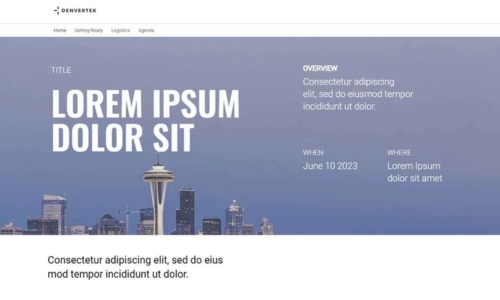
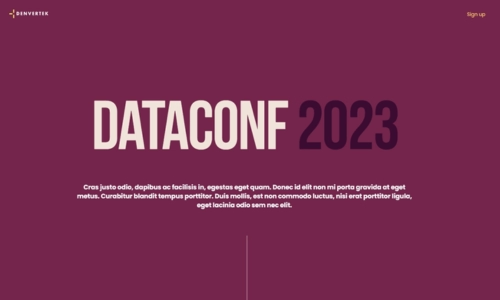
What is a microsite example?
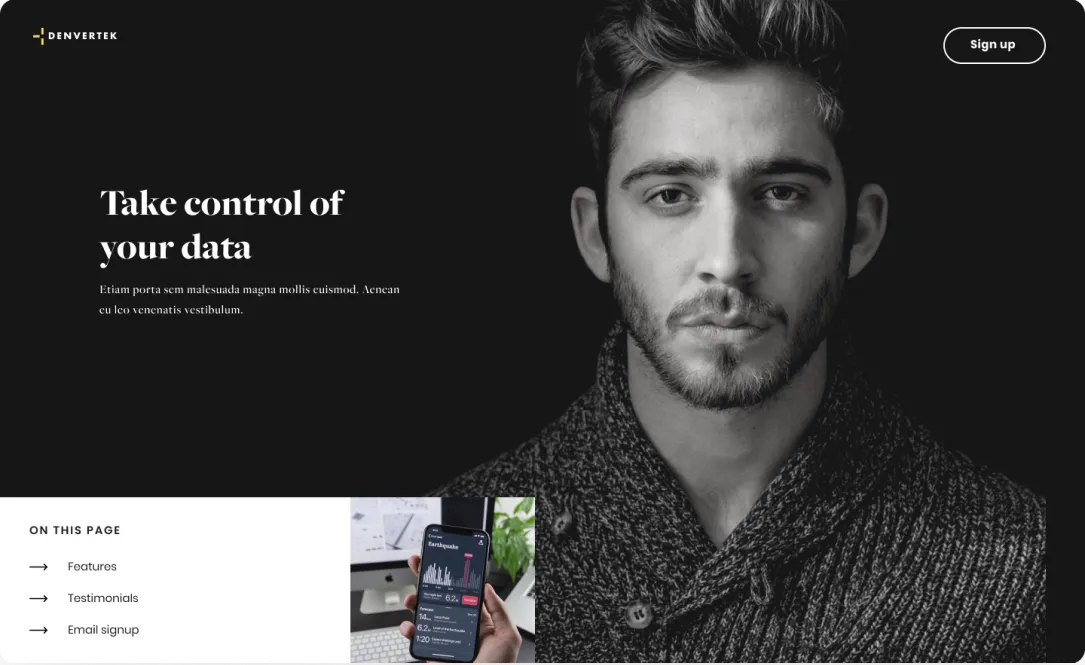
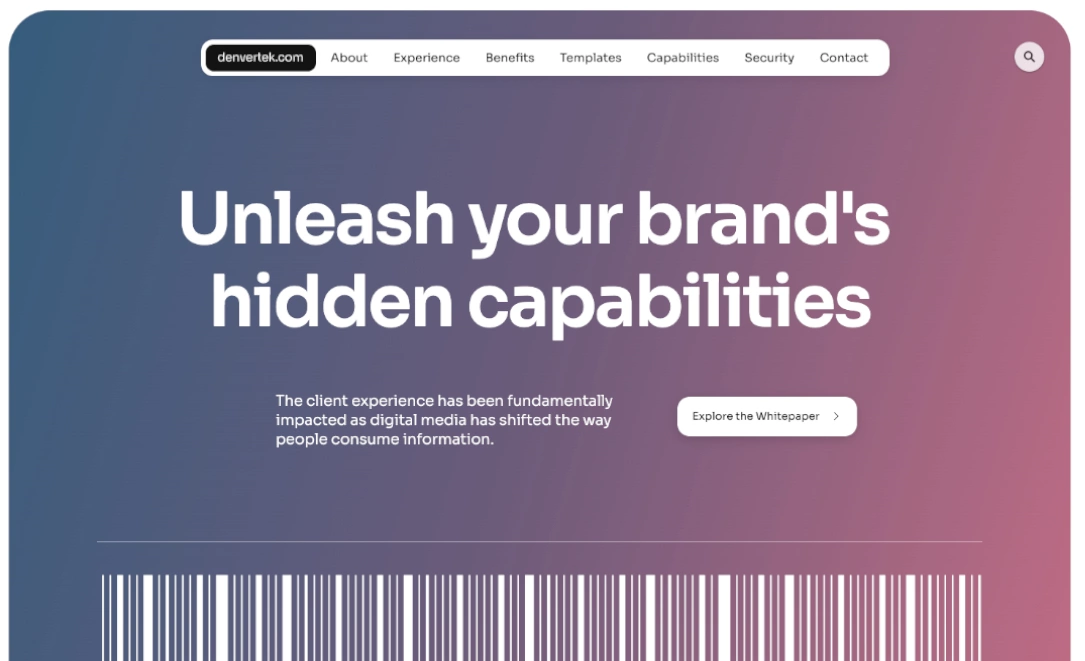
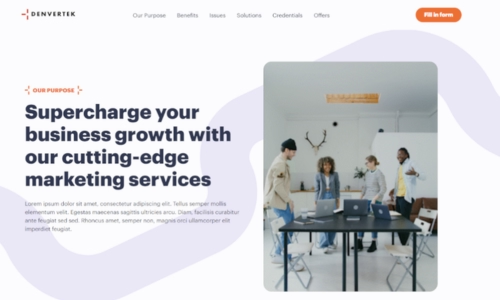
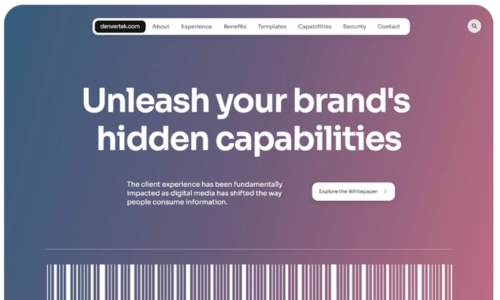
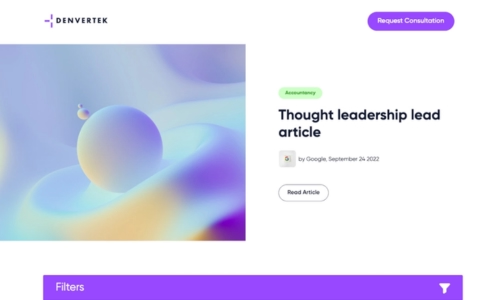
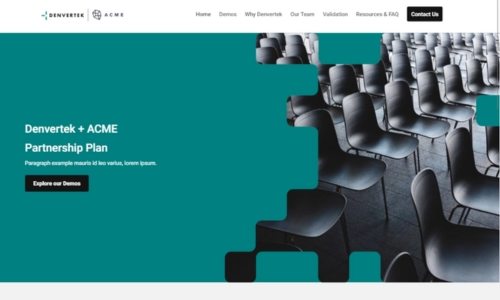
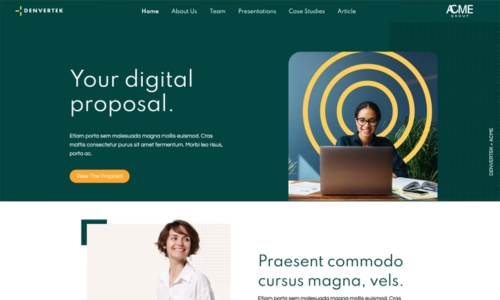
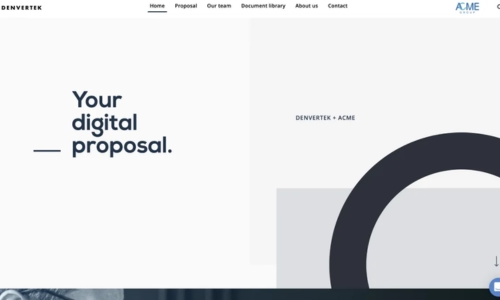
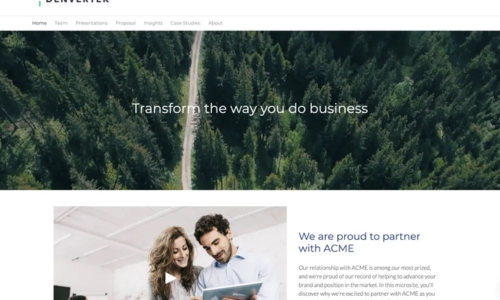
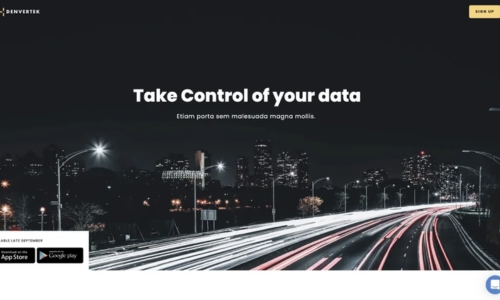
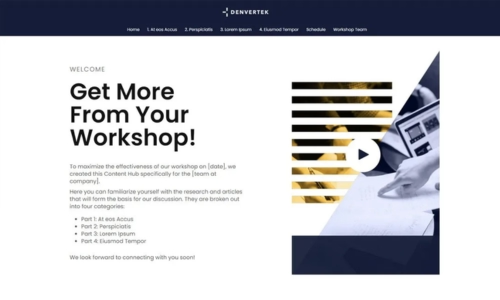
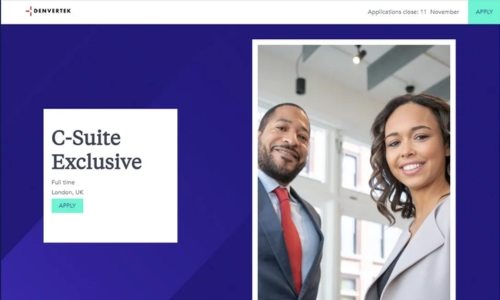
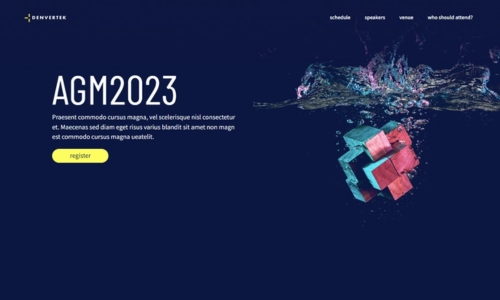
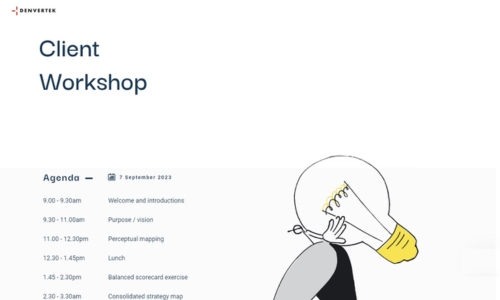
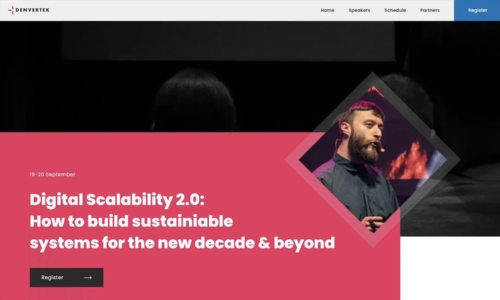
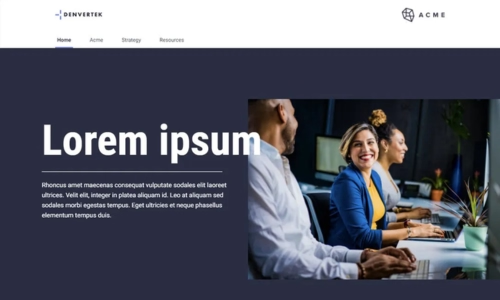
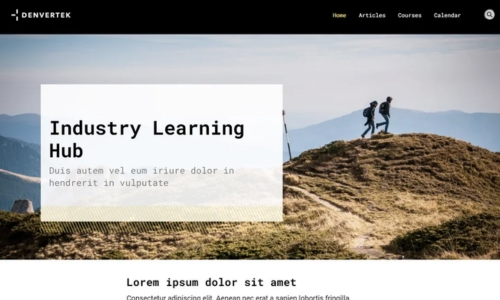
A microsite example is a real or template version of a standalone web page built for a specific audience and purpose — such as a sales proposal, a campaign landing page, a recruiting hub, or a client onboarding portal. The gallery above shows 100+ real examples built with Zoomforth across sales, marketing, recruiting, and learning use cases.
What makes a good campaign microsite?
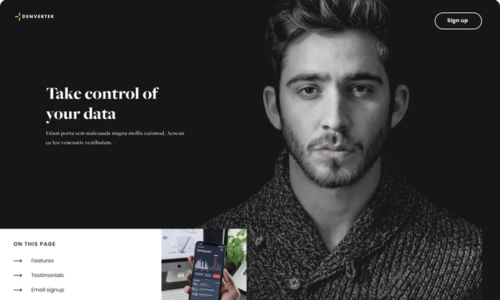
A good campaign microsite has a single, clear purpose; a headline that matches the campaign ad or email that drove the click; social proof relevant to the target audience; and one primary CTA with no competing navigation links. Good campaign microsites also track visitor behavior, so you can optimize based on actual engagement data rather than guesswork.
How do you create a microsite?
You can create a microsite by starting from a branded template in a no-code platform like Zoomforth, customizing the layout, copy, and media to fit your audience, and publishing to a secure URL. The full process — from blank template to live microsite — takes most teams two to four hours for a standard proposal or campaign page.
What is the difference between a microsite and a landing page?
A landing page is typically a single section on one screen, optimized for a single conversion action (e.g., form fill). A microsite has multiple sections or subpages and tells a fuller story — making it better suited for sales proposals, RFP responses, recruiting campaigns, and any situation where the audience needs context before they can decide. Full comparison: microsite vs. landing page →
What are good examples of sales microsites?
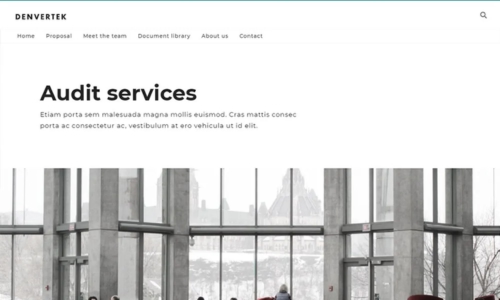
Good sales microsite examples include: a branded proposal page with interactive pricing and case studies (used instead of a PDF), a deal room with a shared agenda and embedded demo video, and an RFP response microsite with tabbed sections for each evaluation criterion. Zoomforth customers in enterprise sales typically see 30–50% higher engagement on microsites vs. PDF proposals.
What are good examples of an RFP response microsite?
Good RFP microsite examples include: a personalized executive summary that quotes the buyer's stated priorities, a compliance matrix mapping each requirement to its answer, embedded video introductions from the account team, and an interactive pricing section — replacing a static, unsearchable PDF with a trackable page the evaluation committee can navigate on their own.
What microsite examples work best for ABM campaigns?
Effective ABM microsite examples target one named account with personalized messaging: a hub page featuring the prospect's logo, industry-specific case studies, a dedicated team introduction, and a calendar booking link. The microsite URL is shared in outreach emails and LinkedIn messages, giving the sales team real-time data on which contacts engaged and what they read.
What are good examples of a client onboarding portal?
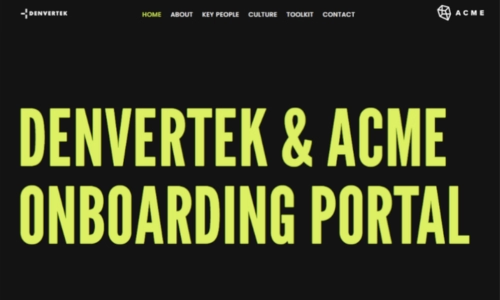
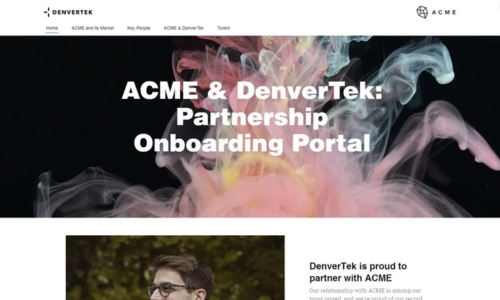
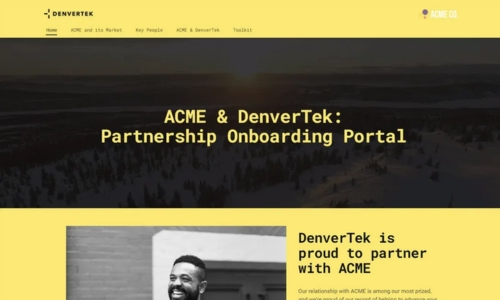
Good client onboarding portal examples include: a welcome hub with a step-by-step setup checklist, a shared timeline with key milestones and owners, embedded training videos organized by role, and a single place to track document sign-off — replacing scattered emails and PDFs with one link the client can return to throughout onboarding.