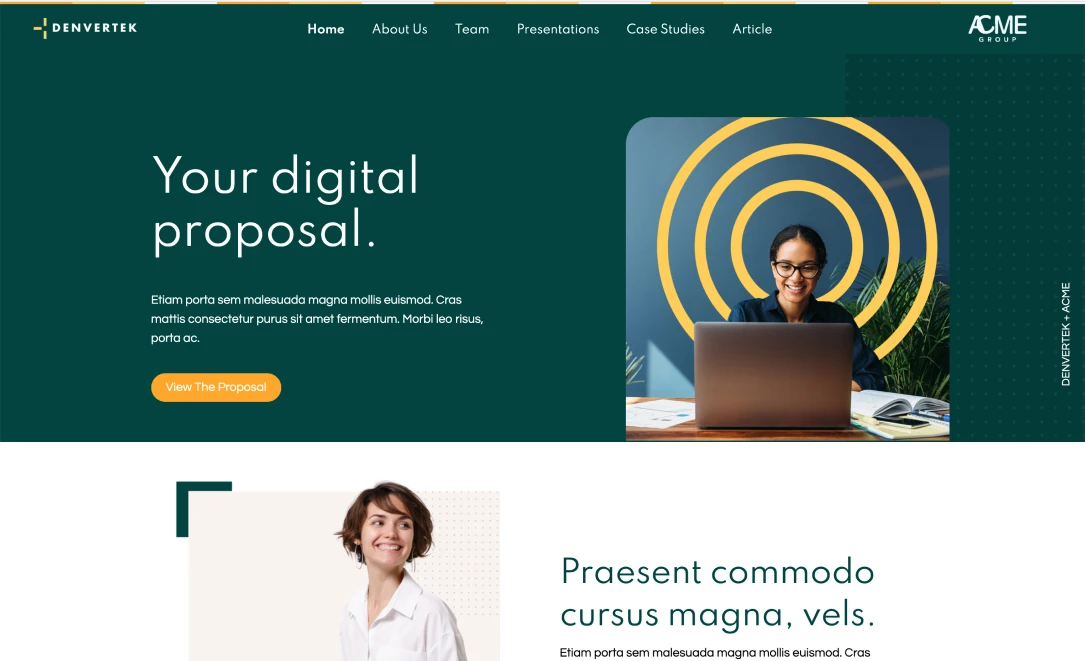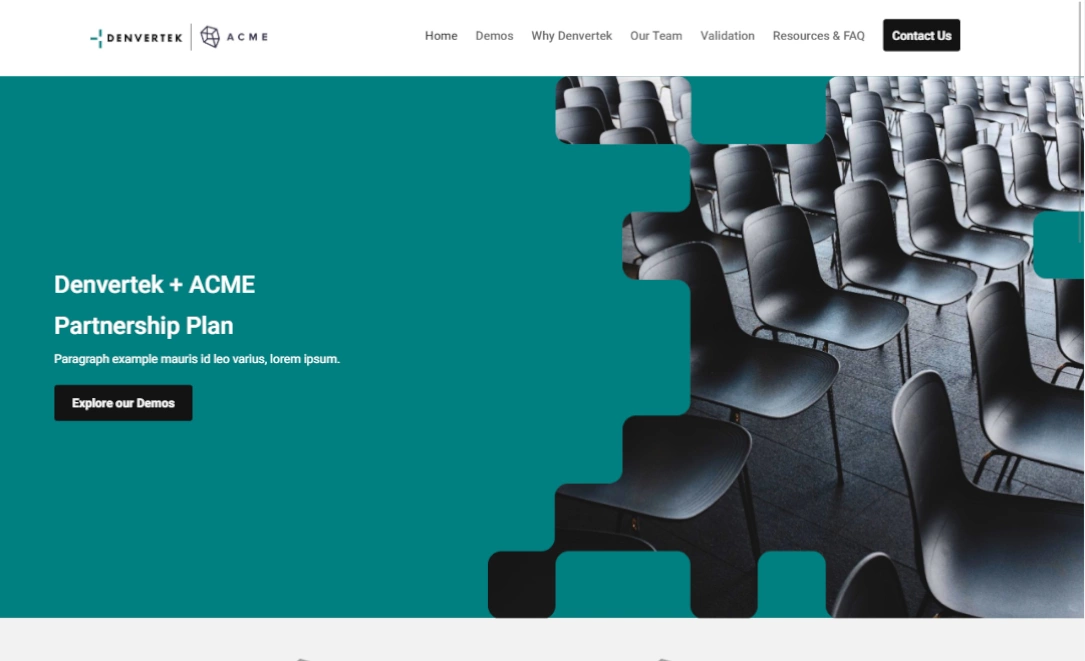
The shift to remote and hybrid work changed how companies communicate — internally, with clients, and at events. One of the clearest beneficiaries of that shift has been the microsite. What was once a niche tool for marketing campaigns is now a core part of the communication stack for forward-thinking enterprises.
Here are 5 ways microsites are reshaping business communication today:
Microsites at events — digital and in-person
Today, business events happen in every format: fully virtual, fully in-person, and everything in between. That flexibility has made microsites a natural fit for event-related assets, since they’re quick to spin up and easy to retire once an event ends.
Microsites are the ideal tool to create assets such as:
- Event registration forms
- Landing pages
- Online meeting playback pages
- Post-event questionnaires
Integrating these kinds of one-time assets into a main website is a tedious, time-consuming, and often illogical process. An event registration page has no use after an event concludes. A microsite keeps that content separate — easy to update before the event and easy to sunset afterward, without cluttering the main marketing site.
Goodbye PowerPoint. Hello microsite
At Zoomforth, our design team helps clients around the world make the very best use out of our platform.
An increasing trend we’ve seen is companies using microsites in lieu of presentations. Previously, many companies were simply embedding presentations into microsites. These days, companies are embedding the content directly into the pages and using the microsite itself as the asset to present.
This approach actually makes it easier for multiple hands to get involved in the editing process. It’s also quick to update and changes can be pushed out to clients almost instantaneously.
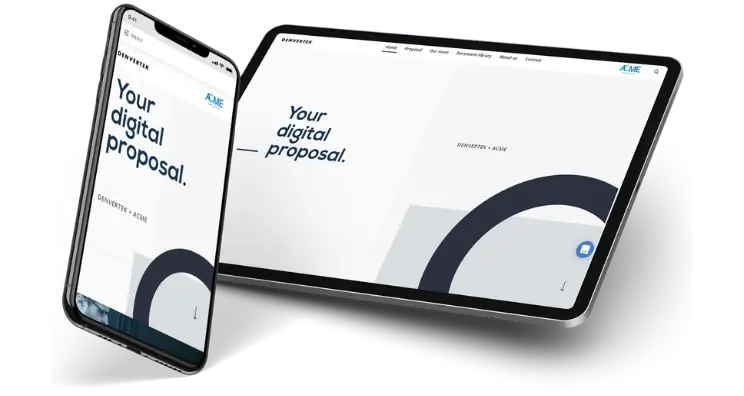
Microsites entering the mainstream
At Zoomforth, we’re passionate about microsites and creating streamlined content experiences. While we’d like to see every company utilize what can be achieved by using microsites, a lot of organizations are still very much enamored by static documents like Powerpoint and Word. But things are quickly starting to shift.
Microsites have entered the mainstream and are now an established part of the technology stack for larger organizations. Just like websites did decades ago. Microsites are diverse assets that fulfill a very important function by allowing businesses to host web content somewhere other than on their main marketing site (with all the red tape that the latter can entail). They’re typically created using user-friendly platforms and are designed to be quick to duplicate and easy to secure.
Some of the use-cases that we’ve seen Zoomforth used for include:
- Account based marketing (ABM)
- Client portals
- Onboarding portals for new employees
- Recruitment pages
- Internal communications such as newsletters
- Sales proposals
All of these use cases continue to grow as more teams discover what microsites can do.
Everybody will be creating them
The low-code / no-code revolution is truly in train and these days one doesn’t need to know a single thing about HTML or CSS to interact with many web design platforms (including Zoomforth).
Departments that would have typically shied away from web development are now building their own online resources — often for the first time.
- Your average HR department can develop a microsite for onboarding and talent acquisition without requiring any input from the IT team.
- Teams can quickly pull together microsites to present updates to senior executives.
Creating a microsite becomes as easy as typing up a Google document. It’s click and point. No coding necessary. At all.
More cross-tool integration
As microsites move further into the tech mainstream, we’re also expecting to see teams put more effort into creating integrations between microsites and other important business tools such as CRMs and applicant tracking systems (ATS) for recruitment.
Some of the use-cases we have seen to date include:
- CRM lead capture forms being used in microsites
- ATS properties being embedded into recruitment microsites to present other job opportunities to talent being attracted through personalized means (a key microsite use)
This trend continues to branch out into new areas of integration as microsites become more deeply embedded in enterprise workflows.
More and better microsites
Overall, companies are placing increasing emphasis on content experience platforms and utilizing microsites in new and interesting ways. The shift toward digital-first communication has had lasting effects — and microsites are one of the clearest beneficiaries.
To learn more about how microsites could help your organization do business, visit www.zoomforth.com.